
Natural stone has been used by humans since ancient times for a variety of needs. The expressions "Unyielding as a rock," "Hard as stone," commonly used in everyday speech, testify to the recognition of the resilience and durability of natural stone.
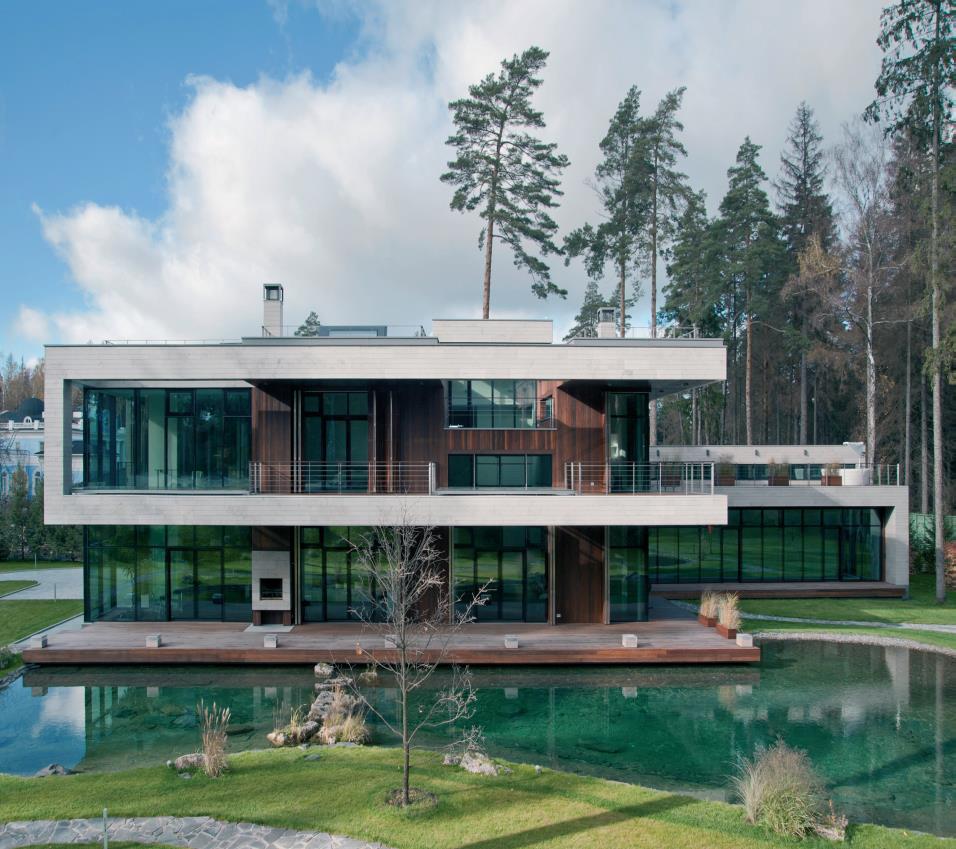
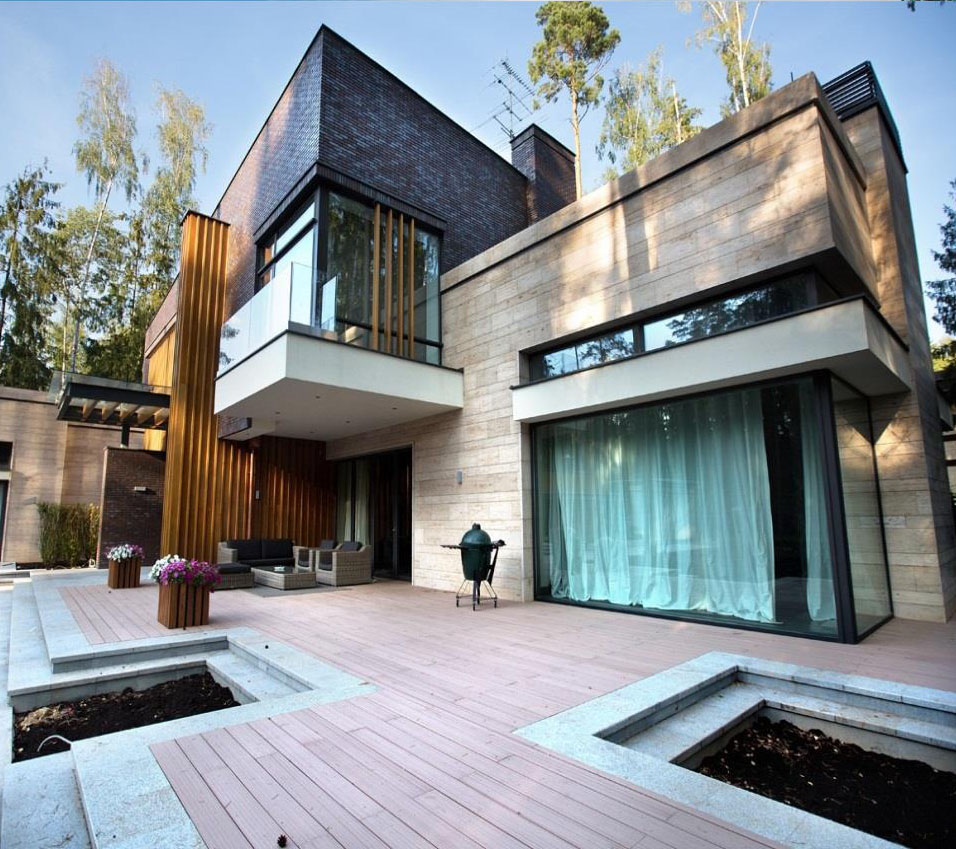
The time has come when the use of natural stone in the finishing of buildings and interiors is becoming increasingly popular. This is related to the rise in citizens' prosperity, the desire to create a comfortable environment for rest and living, to preserve (immortalize) and pass on such conditions as an inheritance. Concepts such as Family Estate are beginning to be revived. Examples of private residences made from Jura Marble.
 🔍
🔍 🔍
🔍 🔍
🔍Natural stone can have a wide variety of mineral compositions, color shades, and patterns, but in interior spaces and exterior facades, preference is often given to carbonate rocks that can be polished – marbles and marbleized limestones (Jura Limestone). These rocks typically consist of calcium carbonate, calcite, the chemical formula of which is CaCO3.
In addition to calcite, such rocks may contain uncrystallized organic matter, which gives the rock gray and black tones of color. The presence of iron oxides colors the stone in various warm tones, from pale yellow to red and cherry. Even a small amount of chlorite or fuchsite (chromium-containing green muscovite [KaAl2[AlSi3O10](OH)2]) imparts green tones to the stone.
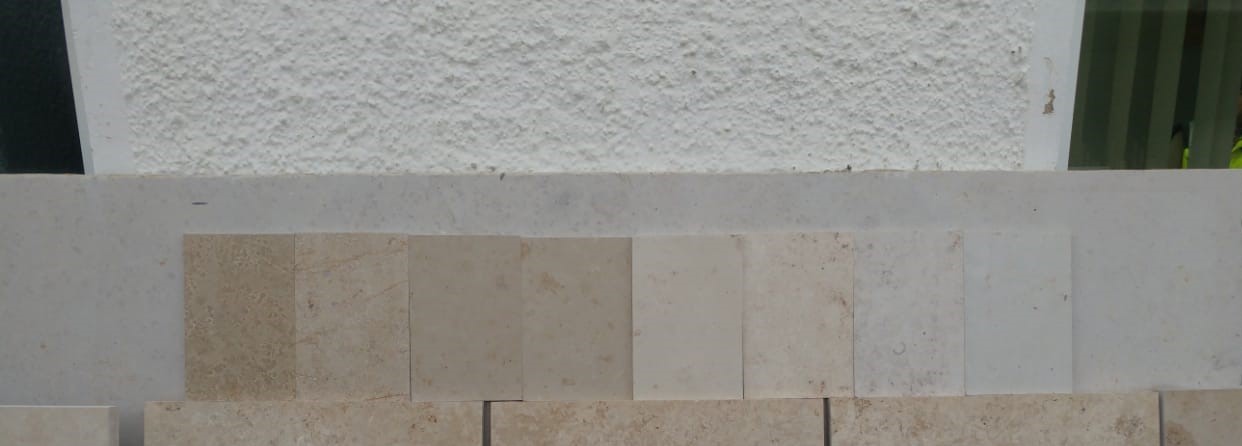
The color palette of Jura Limestone in beige tones with different finishes of the surface.
 🔍
🔍Nevertheless, stone is not created equal. And there can be stains in the sunlight. Among the variety of colors and patterns offered in the stone market, it is important to focus on those that are suitable for use in the conditions where you plan to exploit them. The color and pattern of the stone are undoubtedly a priority for the untrained consumer in geology. But don't get burned by buying a stone that sparkles with different colors, which may dull, start to peel, and develop dirty, toxic stains within a year.
Ancient stone masons, extracting stone year after year from the same location, accumulated knowledge about the qualities and characteristics of this stone. Builders and stone masons, observing the stone, knew well which stone was suitable and which was not, and over time deteriorated. Such knowledge was passed down from generation to generation. In fact, nothing fundamentally has changed today. It is important to distinguish between companies that extract stone from their own quarries and process it themselves, and those that purchase raw materials (blocks or slabs) or finished products. In the Jura Limestone industry, there are currently 3 companies that can be classified in the first group. JuraLimestone GmbH is one of them.
Actually, when a client orders blocks, they receive material from the specified layer, but without a guarantee of product quality. They are purchasing raw material.
 🔍
🔍If a client orders slabs, it is up to them to decide which part of the slab they will sort and which part they will sell as a finished tile to the end consumer. The degree of waste is always directly economically related to profitability and the final cost price.
 🔍
🔍The factory that directly owns the quarries always cares about its reputation and does not release a final product of questionable quality to the market.
 🔍
🔍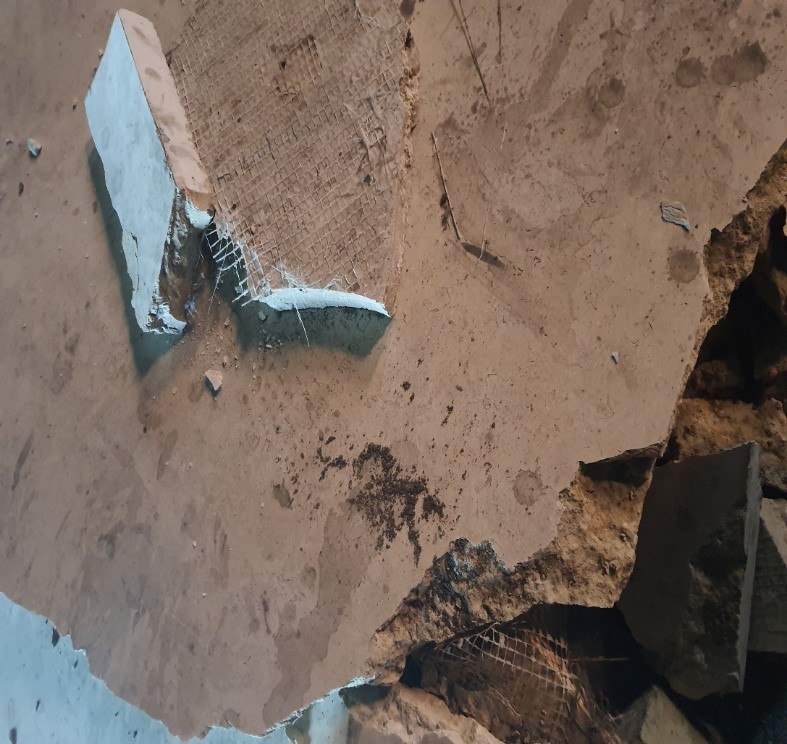 🔍
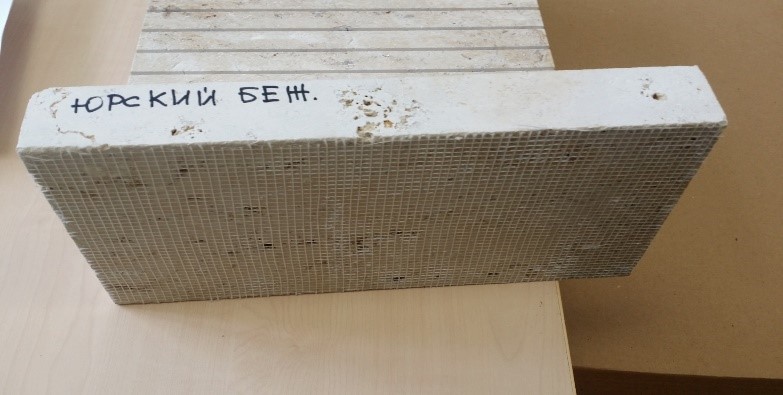
🔍Example of reinforcing non-standard Jura Limestone with a mesh on the reverse side and subsequent stone destruction during operation on the facade.
Imagine you are buying blocks of Jura Limestone in Germany and cutting them in the Russian Federation. If you take slabs with a thickness of 30 mm, theoretically, you can obtain about 27 m² from 1 cubic meter of block. However, in practice, based on years of statistics on processing Jura stone, depending on the layer, you can get a maximum of 16 m². This amount of stone is of the required quality for the final product without aesthetic selection according to the requirements of the end client. Thus, 11 m² are lost, which in Germany are either disposed of or processed into gravel.
It is not difficult to guess that when transporting Jura Limestone to Russia in the form of blocks, the entire cost of the cargo is paid, including future waste. In order to offer competitive prices, the processor must save on selection, i.e., increase the yield of finished products for the end customer. Such practices exist in the processing of Jura marble in China. It is known that China has become a leader in global stone processing. Indeed, there are niches in the processing of Jura stone that are done cheaper in China than in Germany without compromising quality. This primarily includes ornaments and shaped details. It is worth noting that there have long been enterprises in Russia that, having Italian machines in their fleet, can produce these products just as well and at prices competitive with those in China.